

Trump faces Iran war choices after midterm defeat as Gulf tensions persist
Reports describe uncertainty over Washington’s next military steps as fighting in the Red Sea and concerns over US support for Israel deepen.
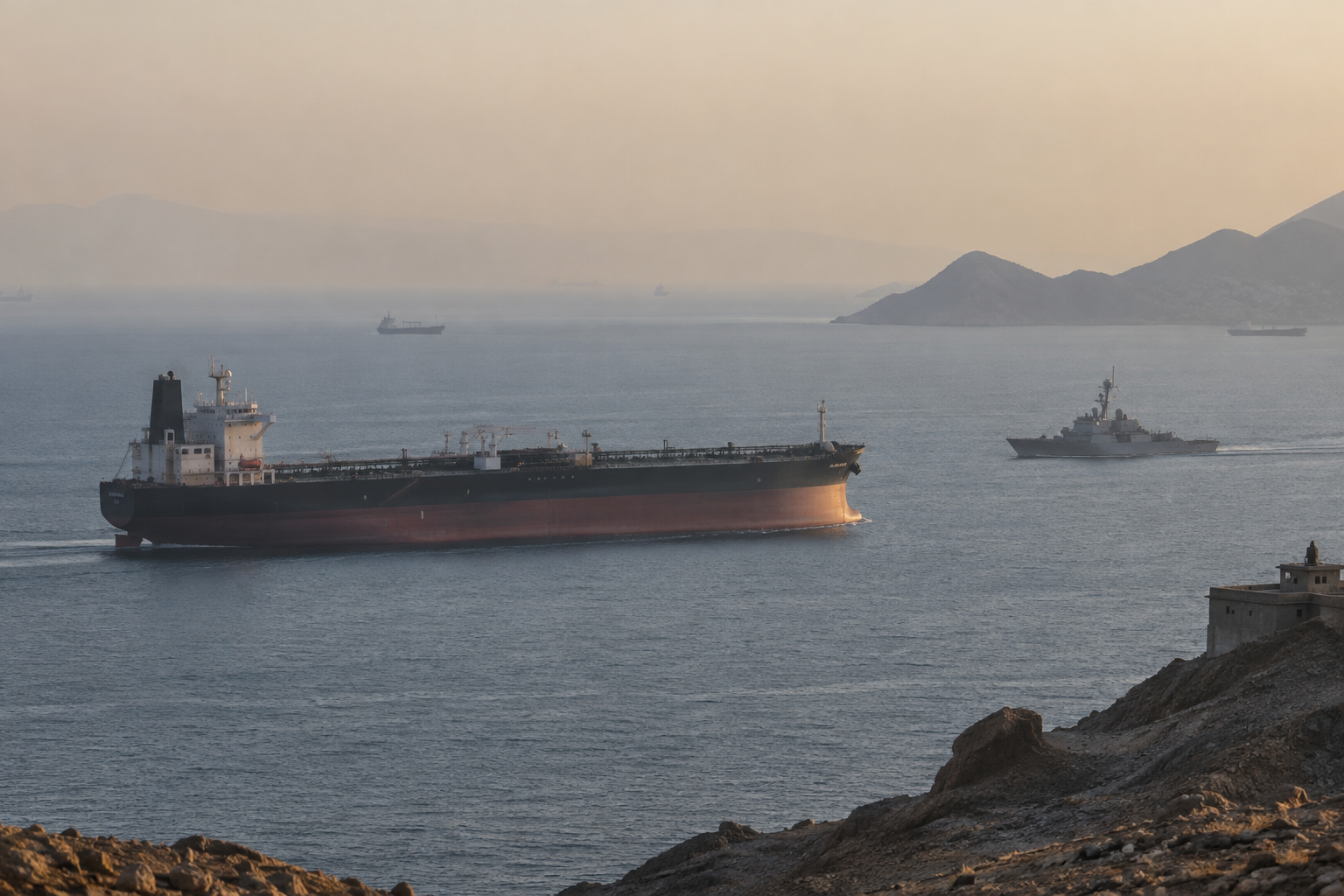
WASHINGTON | 06-11-2026 : US President Donald Trump faces a decision over whether to escalate or contain the war with Iran after a major Republican midterm defeat, as regional officials weigh the implications for Gulf security and Israel’s relationship with Washington, according to reports published on November 5.
Democrats won control of both the House of Representatives and the Senate, according to The National and Deccan Chronicle. An Associated Press report carried by Deccan Chronicle said dissatisfaction with the eight-month conflict helped drive the result, leaving uncertainty over whether Trump would proceed with threats to resume large-scale bombardment.
War costs shape Washington’s choices
According to AP, Trump broadly accepted Vice President JD Vance’s assessment that the war had damaged Republican electoral prospects, linking that impact to higher petrol prices. Nevertheless, he defended his decision to launch the conflict and indicated that he would make the same choice again.
The AP report said strikes and retaliatory attacks had inflicted tens of billions of dollars in regional damage, while higher fuel prices and wider cost increases had affected households internationally. Trump had threatened renewed bombardment after the elections unless Tehran accepted settlement terms he considered satisfactory.
Analysts interviewed by AP outlined possible paths rather than an announced administration decision. Brian Haggerty, a former CIA analyst now at Defense Priorities, said Washington could retain its current approach, including operations the US military describes as defensive and a naval blockade restricting Iranian oil exports.
David Schenker, a former US assistant secretary of state for Near Eastern affairs, identified a possible strike on Iran’s deeply buried Pickaxe Mountain nuclear-linked facility. He also discussed the possibility of an agreement addressing navigation through the Strait of Hormuz and some sanctions relief while deferring further nuclear negotiations. Broader attacks on Iranian infrastructure were another possibility, although he warned that escalation could worsen energy-price pressures.
Red Sea fighting adds regional risks
Oil shipments were again moving through the Strait of Hormuz with US Navy escorts, AP reported. However, the conflict had extended into the Red Sea, where Iran-backed Houthi rebels were fighting a Saudi Arabia-led coalition.
According to that report, Houthi attacks had targeted Yemeni civilians and Saudi infrastructure. Attacks on territory held by Yemen’s internationally recognised government had also aggravated the humanitarian crisis. An unnamed senior Yemeni official urged Washington against hurried decisions, arguing that the regional threat had not changed with the US election result.
Regional assessments were not uniform. Officials speaking anonymously to AP described concern that Trump could feel freer to order renewed strikes after the vote. Another official said the outcome had given mediators some optimism about a route towards resolving the conflict.
Israel weighs implications for US backing
The National reported a parallel debate in Israel over its reliance on Washington. It said Trump announced on election day that he would end military aid to Israel by the close of 2026, but provided no details. The report therefore leaves the proposed change’s implementation unclear.
Israeli opposition figures called for a different diplomatic approach after victories by Democratic candidates more critical of Israel. Former prime minister Yair Lapid advocated engagement across US political divisions, while opposition leader Gadi Eisenkot said he was working towards a national emergency government, according to The National.
Separately, AP reported that Prime Minister Benjamin Netanyahu had pressed Trump for renewed attacks on Iran during a weekend call. A person briefed on the conversation said Trump did not commit to military action, leaving Washington’s next step unresolved in the supplied reporting.
Sources: The National; Deccan Chronicle, including Associated Press reporting.

Correspondent
The MAUK Briefing
A concise daily digest of verified reporting, analysis and perspective. No noise.
Comments (0)
No comments yet. Start the conversation.